<?xml version="1.0" encoding="UTF-8"?><feed xmlns="http://www.w3.org/2005/Atom" xmlns:dc="http://purl.org/dc/elements/1.1/">
                                        <id>https://www.ikstudio.eu/new-page</id>
                                            <link rel="self" href="https://www.ikstudio.eu/new-page"></link>
                                <title><![CDATA[Нова страница]]></title>
                                                                                                                <updated>2023-04-16T13:50:09+00:00</updated>
                        
            <entry>
            <title><![CDATA[Why the architectural visualizations are important]]></title>
            <link rel="alternate" href="https://www.ikstudio.eu/blog/why-the-architectural-visualizations-are-important-4" />
            <id>https://www.ikstudio.eu/blog/why-the-architectural-visualizations-are-important-4</id>
            <author>
                <name><![CDATA[Иван Козалиев]]></name>
                                    <email><![CDATA[archkozaliev@gmail.com]]></email>
                            </author>
            <summary type="html">
                <![CDATA[<p> </p>
<p><span style="font-weight: 400; font-family: Montserrat;">As the world is becoming increasingly visual, <strong>high-quality architectural visualizations</strong> have become a <strong>critical element</strong> in the design and construction industry. From conceptual designs to marketing materials, architectural visualizations provide a way to showcase the design of a building or space in a realistic and engaging way. However, achieving high-quality architectural visualizations requires expertise, time, and resources, and cutting corners can lead to disastrous results. In this blog post, we will discuss the<strong> importance of high-quality architectural visualizations</strong> and why compromising on their quality is never a good idea.</span></p>
<p><span style="font-weight: 400;"><img src="https://static.super.website/fs/super-website/userFiles/ikstufio/uploaded-media/6003-16816771039392.webp" alt="" data-width="0" data-height="0"></img></span></p>
<p> </p>
<p><span style="font-weight: 400; font-family: Montserrat;"><strong>First impressions matter</strong>, and that is especially true when it comes to architecture. High-quality architectural visualizations <strong>enable architects, developers, and investors to see a space before it's even built</strong>. This allows them to make <strong>informed decisions, identify potential issues, and make necessary changes before the construction process begins</strong>. High-quality visualizations can help to refine designs, test materials, and create a shared vision for all parties involved.</span></p>
<p> </p>
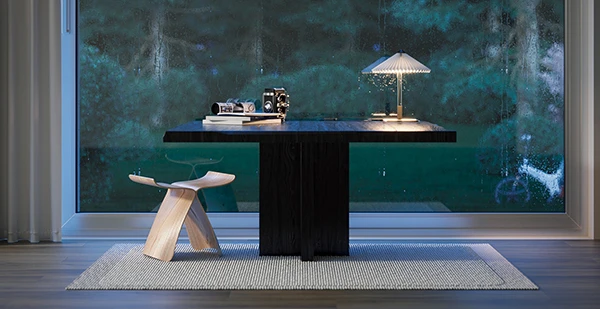
<p><span style="font-weight: 400; font-family: Montserrat;">Another critical advantage of high-quality architectural visualizations is their ability to<strong> communicate the essence of the design</strong>. For example, a 3D visualization can help to demonstrate how natural light will fill a room, how the space will flow, and how materials will interact with each other. By providing a realistic representation of the design, clients and stakeholders can get a better understanding of the space and its features. This allows them to provide feedback and make informed decisions.</span></p>
<p> </p>
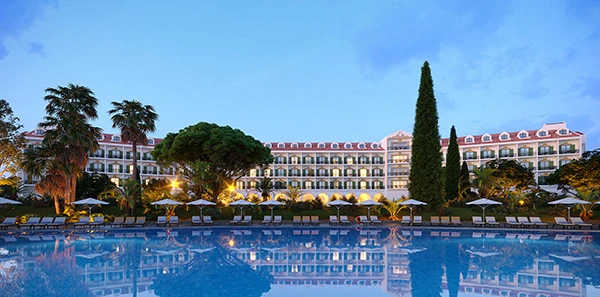
<p><span style="font-weight: 400; font-family: Montserrat;">High-quality architectural visualizations can also serve as an important<strong> marketing tool</strong>. Whether it is a brochure or a website, stunning visuals can help to <strong>capture the attention of potential buyers</strong> or tenants. These visualizations can create an <strong>emotional connection with the space</strong>, which can make it more attractive to potential buyers or renters. In addition, these high-quality visualizations can help to differentiate a property from competitors and showcase unique features and design elements.</span></p>
<p> </p>
<p><span style="font-weight: 400;"><img src="https://static.super.website/fs/super-website/userFiles/ikstufio/uploaded-media/6002-16816772733266.webp" alt="" width="600" height="297" data-width="600" data-height="297"></img></span></p>
<p> </p>
<p><span style="font-weight: 400; font-family: Montserrat;">Unfortunately, some architects and developers may try to cut corners when it comes to architectural visualizations. They may opt for low-quality visuals to save time or money, but this can lead to disastrous results. Poor-quality visualizations can give an inaccurate representation of the space, leading to misunderstandings and miscommunications. This can result in costly redesigns and delays, as well as damaged relationships with clients and stakeholders.</span></p>
<p><span style="font-weight: 400; font-family: Montserrat;">In conclusion, high-quality architectural visualizations are essential for successful design and construction projects. They allow clients and stakeholders to see the design before it is built, communicate the essence of the design, and serve as an important marketing tool. While it may be tempting to cut corners when it comes to visualizations, compromising on their quality can lead to disastrous results. <strong>Investing in high-quality architectural visualizations is an investment in the success of the project</strong>, and it is a decision that should never be taken lightly.</span></p>]]>
            </summary>
                            <link rel="enclosure" href="https://static.super.website/fs/super-website/userFiles/ikstufio/images/a-9-600-16816541853604.jpg" length="155013" type="image/jpeg" />
                        <category term="Uncategorised" />
            <updated>2023-04-16T13:50:09+00:00</updated>
                    </entry>
            <entry>
            <title><![CDATA[The Benefits of Photorealistic Archviz in the real estate market]]></title>
            <link rel="alternate" href="https://www.ikstudio.eu/blog/the-benefits-of-photorealistic-archviz-in-project-visualization-and-communication-1" />
            <id>https://www.ikstudio.eu/blog/the-benefits-of-photorealistic-archviz-in-project-visualization-and-communication-1</id>
            <author>
                <name><![CDATA[Иван Козалиев]]></name>
                                    <email><![CDATA[archkozaliev@gmail.com]]></email>
                            </author>
            <summary type="html">
                <![CDATA[<p><span style="font-family: Montserrat;">Architectural visualization, or archviz, is an essential tool in the design and construction industry. It enables architects, designers, and developers to visualize their designs and communicate them effectively to clients and stakeholders. With advancements in technology, archviz has become more sophisticated and realistic, with photorealistic rendering becoming the industry standard. In this blog post, we will explore the benefits of photorealistic archviz in project visualization and communication and the different techniques and software used to create these visualizations.</span></p>
<p> </p>
<p><span style="font-family: Montserrat;"><strong>Improved Visualization</strong></span></p>
<p> </p>
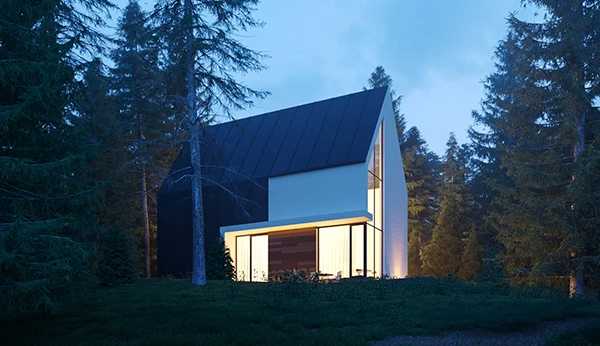
<p><span style="font-family: Montserrat;">Photorealistic archviz allows for more accurate and realistic visualization of architectural designs. This level of detail and realism helps to communicate complex design concepts and enables clients and stakeholders to better understand the project's design and features. It allows them to visualize the final product before construction begins and make informed decisions about the design and materials.</span></p>
<p> </p>
<p><img src="https://static.super.website/fs/super-website/userFiles/ikstufio/uploaded-media/6005-16816775269611.webp" alt="" data-width="0" data-height="0"></img></p>
<p><span style="font-family: Montserrat;"><strong>Cost Savings</strong></span></p>
<p> </p>
<p><span style="font-family: Montserrat;">Photorealistic archviz can also help to save costs in the design and construction process. By providing a realistic visualization of the project, designers and architects can identify potential design flaws and make changes before construction begins. This reduces the likelihood of costly mistakes and can save significant amounts of money in the long run.</span></p>
<p> </p>
<p><span style="font-family: Montserrat;"><strong>Improved Communication</strong></span></p>
<p> </p>
<p><span style="font-family: Montserrat;">Photorealistic archviz can also improve communication between designers, architects, and clients. It helps to eliminate misunderstandings and allows for clearer communication of design features and elements. Clients can provide feedback on the design and make changes before construction begins, ensuring that the final product meets their expectations.</span></p>
<p><span style="font-family: Montserrat;">Different Techniques and Software</span></p>
<p> </p>
<p><img src="https://static.super.website/fs/super-website/userFiles/ikstufio/uploaded-media/6007-16816775427259.webp" alt="" width="600" height="297" data-width="600" data-height="297"></img></p>
<p> </p>
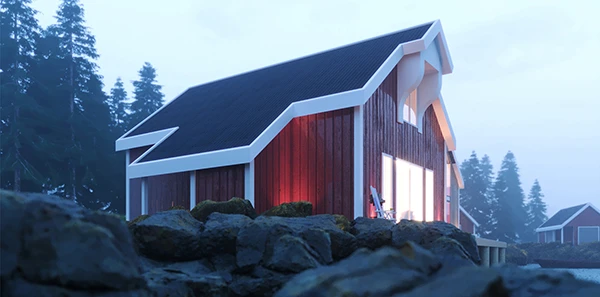
<p><span style="font-family: Montserrat;">Photorealistic archviz can be created using a range of techniques and software. Some of the most popular techniques include:</span></p>
<ul>
<li>
<p><span style="font-family: Montserrat;">3D Modeling: 3D modeling software such as SketchUp, Revit, and Rhino can be used to create a 3D model of the building. These models can then be imported into rendering software for photorealistic visualization.</span></p>
</li>
<li>
<p><span style="font-family: Montserrat;">Rendering Software: Rendering software such as V-Ray, Lumion, and Unreal Engine can be used to create photorealistic visualizations of the 3D model. These software programs use lighting and texture effects to create a realistic representation of the building design.</span></p>
</li>
<li>
<p><span style="font-family: Montserrat;">Virtual Reality: Virtual reality technology can be used to create an immersive, interactive experience of the building design. This allows clients and stakeholders to experience the building design in a more realistic way and make more informed decisions about the design.</span></p>
</li>
</ul>
<p><span style="font-family: Montserrat;">In conclusion, photorealistic archviz is an essential tool in project visualization and communication in the design and construction industry. It allows for improved visualization, cost savings, and better communication between designers, architects, and clients. Different techniques and software can be used to create photorealistic visualizations, allowing for a more accurate and realistic representation of the building design.</span></p>]]>
            </summary>
                            <link rel="enclosure" href="https://static.super.website/fs/super-website/userFiles/ikstufio/images/a-6-601-16816542868946.jpg" length="182620" type="image/jpeg" />
                        <category term="Uncategorised" />
            <updated>2023-04-16T13:49:27+00:00</updated>
                    </entry>
    </feed>